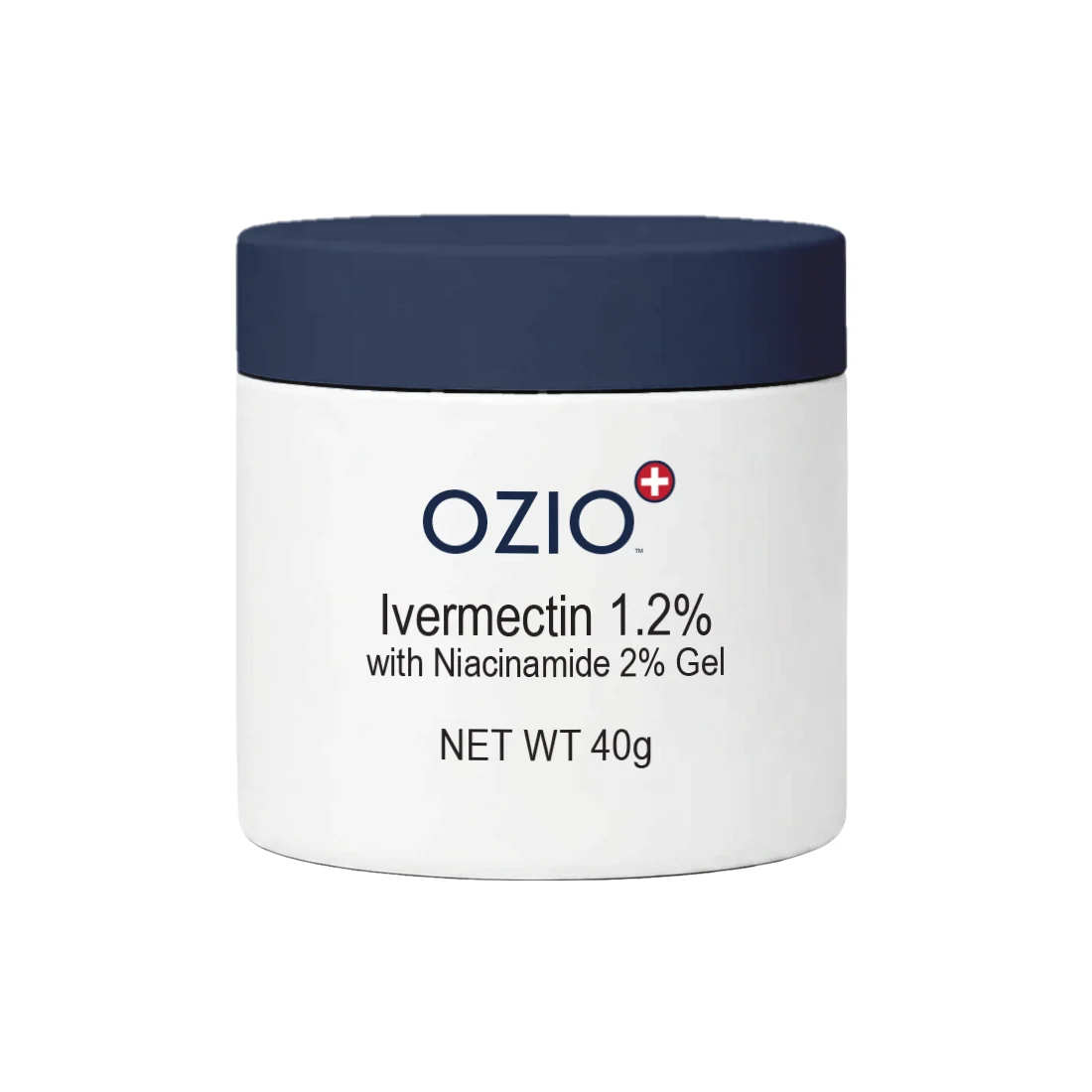
Ivermectin gel is a topical medication used for certain inflammatory skin conditions. It is best known for its role in treating rosacea, a condition that can cause persistent facial redness, bumps, and pustules. Unlike oral ivermectin, which works throughout the body, topical ivermectin is applied directly to affected areas.
Understanding what ivermectin gel is designed to treat, how it is generally used, and what precautions apply can help people make more informed decisions about their skin care and treatment options.
What Is Ivermectin Gel?
Ivermectin belongs to a group of medicines called antiparasitic agents. In topical dermatology, it has anti-inflammatory and antiparasitic properties that can be useful for certain skin conditions.
Prescription ivermectin cream or gel formulations may be used for inflammatory lesions associated with rosacea. The medication is applied to the skin rather than taken by mouth, allowing treatment to focus on the affected area. Patients researching ivermectin gel for skin online should verify the product’s formulation, source, and prescribing requirements before purchasing or using it.
Different products may contain different concentrations and inactive ingredients. A formulation intended for one condition should not automatically be substituted for another product simply because both contain ivermectin.
Common Use for Rosacea
One of the established dermatological uses of topical ivermectin is the treatment of inflammatory lesions associated with papulopustular rosacea. This form of rosacea can produce small red bumps and pus-filled lesions, particularly across the cheeks, nose, chin, and forehead.
Rosacea can have several contributing factors, including inflammation and the presence of Demodex mites on the skin. Ivermectin may help by reducing inflammatory activity and addressing these microscopic organisms.
Treatment results are not usually immediate. Skin improvement can take several weeks, and consistent application is generally needed for the medication to provide its intended effect. A dermatologist can determine whether ivermectin is appropriate based on the type and severity of rosacea.
How Ivermectin Gel Is Generally Applied
Topical ivermectin should be used according to the instructions provided with the prescribed product. In many cases, a small amount is applied as a thin layer to affected facial areas after gently cleansing and drying the skin.
The medication should generally be kept away from the eyes, lips, and inside of the nose unless a healthcare professional has given different instructions. Hands should be washed after application unless the hands themselves are being treated.
Using more product does not necessarily produce faster improvement. Excessive application may increase the likelihood of irritation without providing additional benefit.
People using other facial treatments should also discuss their routine with a healthcare professional. Products containing strong exfoliating agents, retinoids, or other potentially irritating ingredients may need to be adjusted depending on the condition of the skin.
Possible Side Effects
Topical ivermectin is generally tolerated by many patients, but side effects can occur. Common reactions may include burning, irritation, dryness, itching, or redness at the application site.
Some people may experience temporary worsening of irritation during treatment. Persistent or severe reactions deserve medical attention, particularly if swelling, intense burning, blistering, or other unusual symptoms develop.
An allergic reaction requires prompt medical care. Difficulty breathing, facial swelling, or widespread hives can indicate a serious reaction and should not be ignored.
A healthcare professional can help distinguish an expected local reaction from a problem that requires discontinuation or a change in treatment.
Choosing the Right Formulation
The term “ivermectin gel” can refer to different formulations, concentrations, or compounded preparations. That distinction matters because products designed for different purposes may not be interchangeable.
A prescription dermatology product has been formulated for a particular route of administration and intended use. Compounded ivermectin preparations may be made by a pharmacy for an individual patient when a suitable commercial formulation does not meet a specific need.
Buying an unfamiliar topical ivermectin product from an online seller can create uncertainty about its concentration, ingredients, storage conditions, and authenticity. Packaging that looks professional does not necessarily confirm that a medicine is genuine or appropriate for use.
Patients should check the product name, strength, directions, expiration date, and dispensing information before applying a prescription topical medication.
Using Ivermectin on Sensitive Skin
Rosacea-prone skin can be particularly reactive. Harsh cleansers, abrasive scrubs, excessive exfoliation, and heavily fragranced products may aggravate symptoms.
A simple skin-care routine can make topical treatment easier to tolerate. Gentle cleansing, adequate moisturization, and daily sun protection are often useful components of rosacea care.
Ivermectin should not be applied to damaged or severely irritated skin unless a healthcare professional specifically recommends it. The affected area should also be monitored during treatment so that persistent irritation can be discussed with a clinician.
Why Medical Guidance Matters
Not every facial bump or area of redness is rosacea. Acne, contact dermatitis, seborrheic dermatitis, perioral dermatitis, and other conditions can produce similar-looking symptoms.
Using ivermectin without confirming the underlying condition may delay appropriate treatment. A dermatologist can examine the skin, consider the symptoms and medical history, and decide whether topical ivermectin is suitable.
Medical guidance is also useful when symptoms return after treatment, fail to improve, or spread to areas that were not previously affected.
Buying Ivermectin Gel Online
Online pharmacies can provide convenient access to prescription medicines, but the source should be checked carefully. A legitimate pharmacy should provide clear information about the product, prescription requirements, manufacturer, and pharmacist or healthcare support.
Be cautious with websites that promise unusually fast results, sell prescription medication without appropriate safeguards, or provide little information about the product’s ingredients and origin.
Price alone is not a reliable way to judge medication quality. The formulation, source, storage, expiration date, and dispensing practices deserve equal attention.
A Practical Approach to Treatment
Topical ivermectin can be a useful option for people with appropriate skin conditions, particularly inflammatory lesions associated with rosacea. Its effectiveness depends partly on using the correct formulation consistently and following professional instructions.
Patients should avoid changing the concentration, frequency, or application area on their own. Combining several active skin treatments without professional guidance can also increase irritation and make it harder to determine which product is helping or causing problems.
For anyone considering ivermectin gel, the safest starting point is an accurate diagnosis followed by guidance on the appropriate formulation and application method. Careful product selection and sensible skin care can support treatment while reducing avoidable problems.